
Andrew Cuong: Looking back on the 20-year journey, what would you consider to be the most significant achievements of the Congregation in the Philippines?
Bernard Holzer:
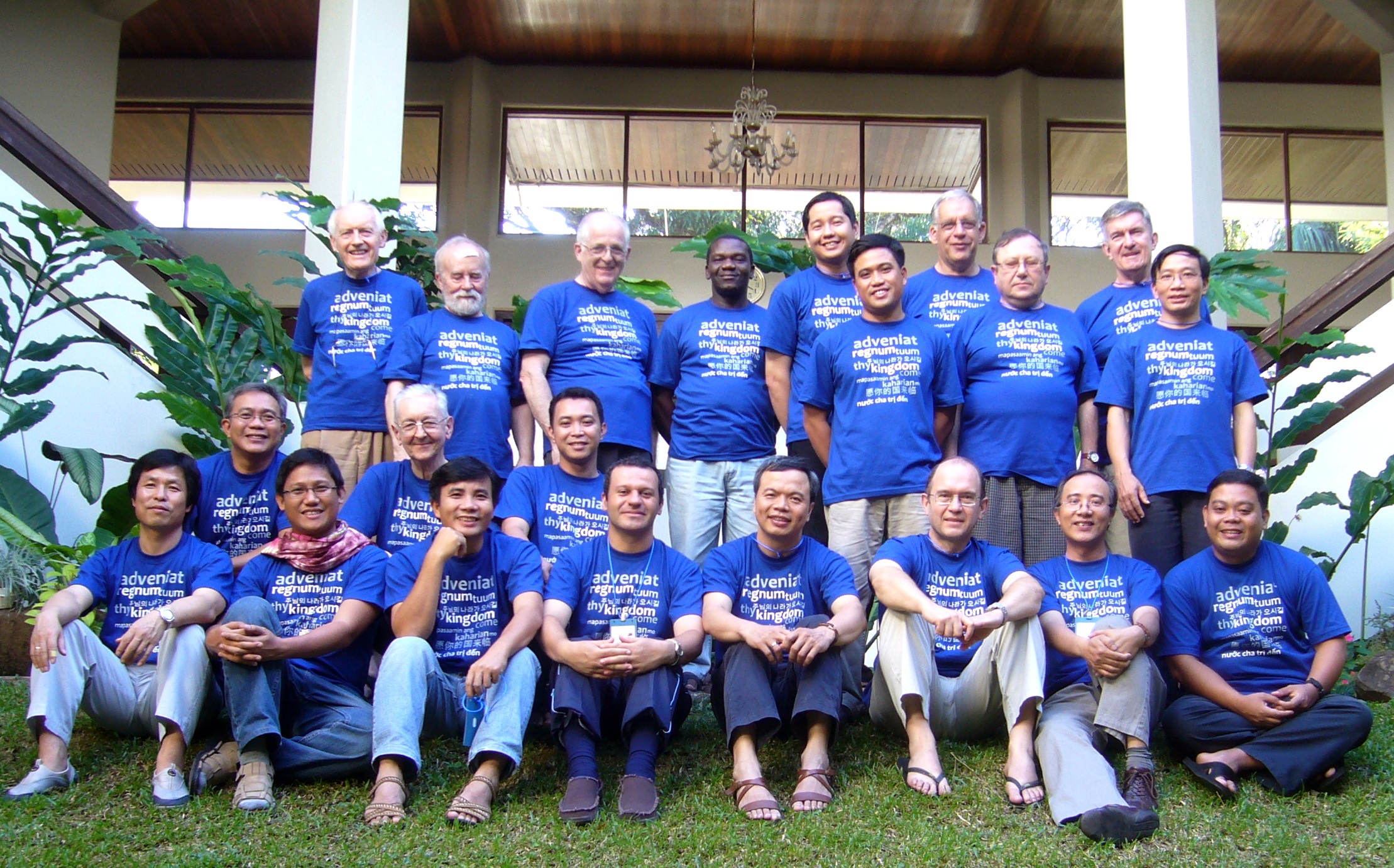
I would first like to emphasize that the AA foundation in the Philippines was the response to a call: that of the Religious of the Assumption and young teachers drawn to the charism of the Assumption. It is the result of international collaboration, under the responsibility of the North American Province. Its primary task was the formation of Filipino candidates in Assumptionist religious life; later, of religious from other continents. From the beginning, vocation ministry was one of its priorities, while the decline in vocations was already being felt. Upon our arrival, a Spanish Claretian missionary told us: “If you come here for vocations, you’d better go to Japan!” Today, the Congregation has 16 Filipino religious. Ten of them have responsibilities in Europe and North America. More than thirty religious from all continents have participated in this foundation.
Another task was to create pastoral works that convey our charism within a Church that has more than 500 congregations of priests and nuns, not to mention its 72 dioceses. Works that respond to the needs of the Church and Philippine society. This happened almost simultaneously, from the very first years of the foundation, with the help of lay volunteers, with the creation of Assumption Language College (ALC), Kaloob, and Bayard Philippines. Three initiatives suggested to us by the then Archbishop of Manila, Cardinal Gaudencio Rosales.
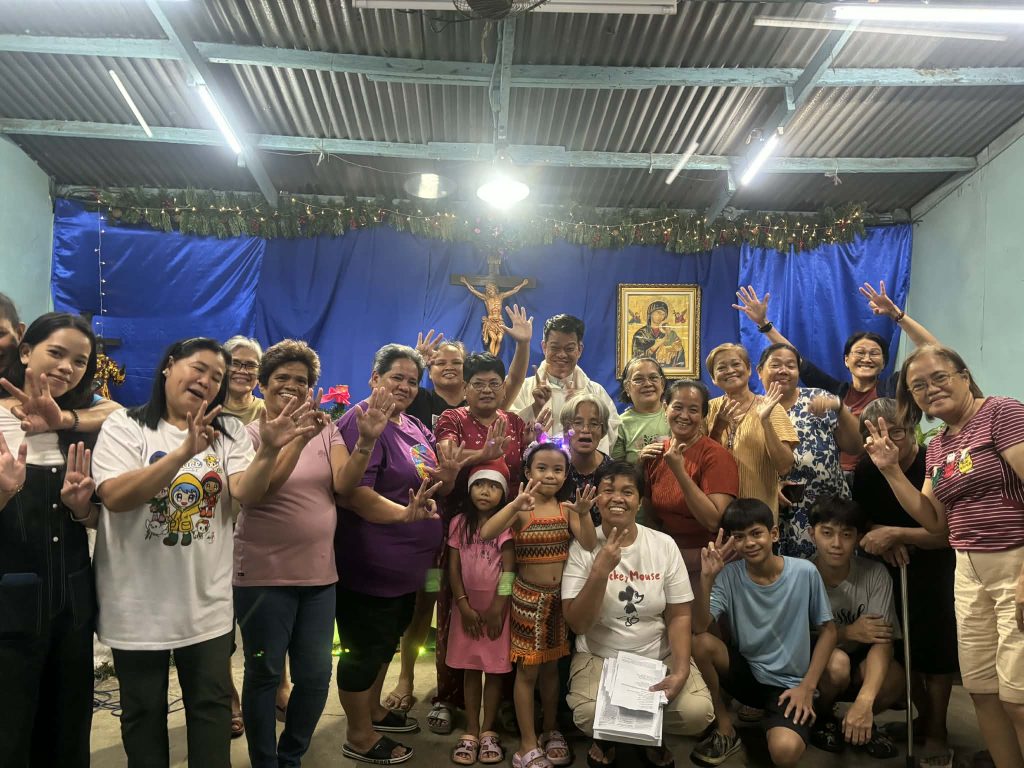
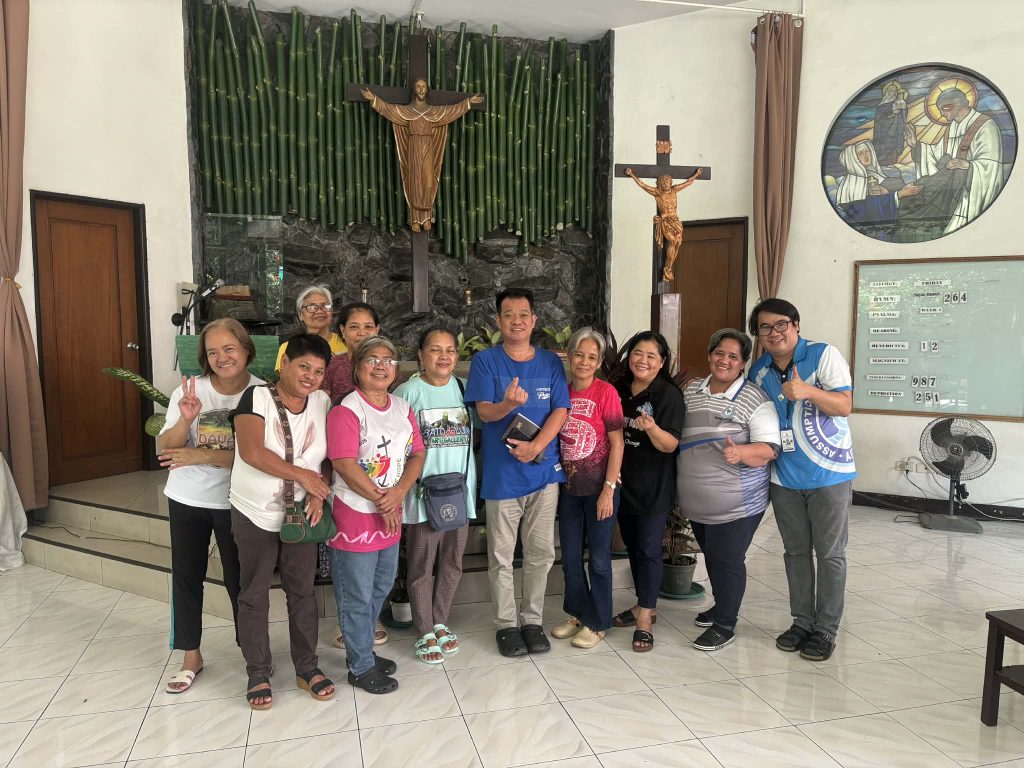
Each community also is committed to accompanying a marginalized neighborhood and to meeting the poor in their vicinity.
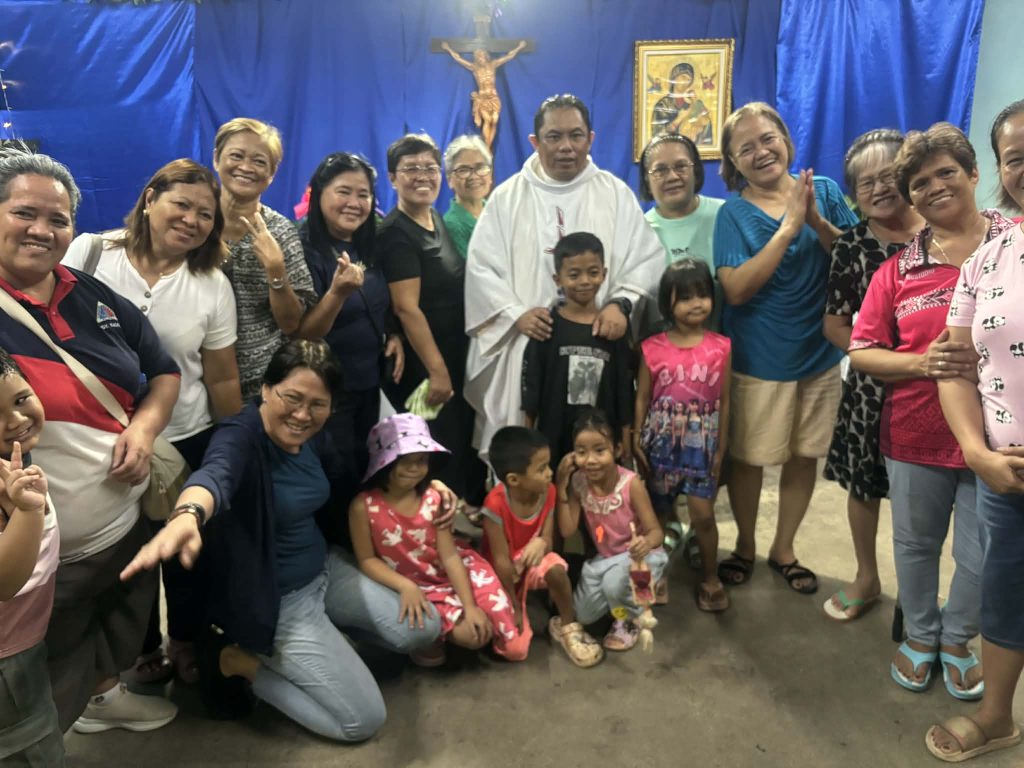
In April 2022, the Bishop of Digos (at the very southern end of the archipelago, closer to Indonesia than to Manila!) entrusted us with a parish that he will declare the Diocesan Shrine of Divine Mercy on the coming April 12. It serves around twenty chapels run by basic ecclesial communities.
Andrew Cuong: Over these 20 years, what is the most beautiful and memorable moment that you will never forget? (Could be about a person, an event, a special blessing…)
Bernard Holzer:
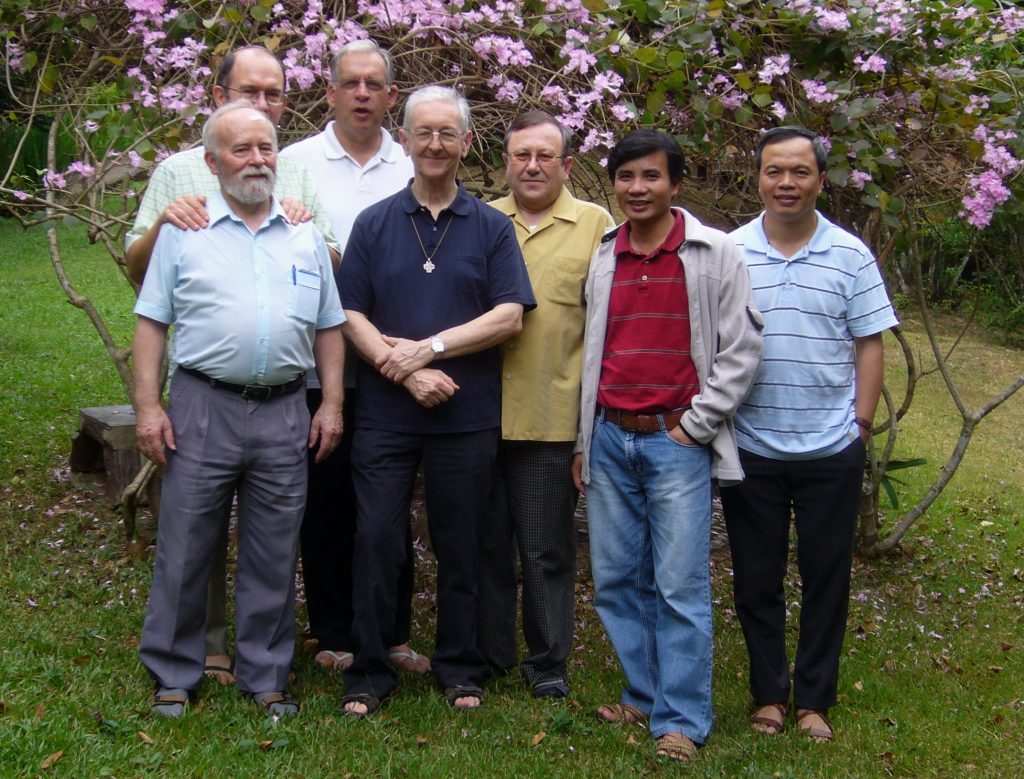
I have very great memories of the first Asia Forum at the end of January 2010 in Antipolo, in the hills around Manila. It brought together around 11 Assumptionist religious of that time in the Philippines (5 Filipino brothers and 6 “missionary” brothers), two brothers from each of the three communities in Vietnam, and three brothers from Korea (1 Korean and two “missionaries”), as well as the Superior General, one of his Assistants, and the Provincial of North America. It was a moment of meeting and mutual discovery, particularly warm and enthusiastic, a sign of the dynamism of the Assumption in the Asian continent.
Among the many people I met during these twenty years, two people particularly marked me here in the Philippines.
Father Jean-Marie Adubangho Chuvi who came from the DR Congo, who died of malaria at 48 after 8 years of missionary service here, notably in formation and in ministry among the poor. He was the first of us to speak Tagalog. A beautiful Assumptionist missionary figure!
And the Cardinal Pablo Virgilio David, whom we familiarly call Father Ambo. He is a man rooted in the Bible, which he engages in dialogue with contemporary issues, very committed to the fight for human rights and against corruption, who brings the Church into the poorest neighborhoods, a supporter of Bayard Philippines. He could have been a good Assumptionist!
Andrew Cuong: In your opinion, what are the main strengths of the Congregation in the Philippines? What aspects of the Filipino people and culture help the Congregation grow here?
Bernard Holzer:
Upon arriving in Manila, when we were asked who we were, we proudly answered: “the Augustinians of the Assumption”! The Augustinians are very well-known, the first missionaries to arrive in the Philippines over 500 years ago and great builders of churches, schools, and hospitals throughout the country. The Assumption is also known thanks to the work of our Sisters, the Religious of the Assumption, who are likewise active, notably in their schools of excellence and retreat centers. This identity card is a blessing, now with, in addition, a pope from the Augustinian family!
Another asset, highlighted by the people who discover us, is the simplicity of our fraternal life, the quality of our common prayer, and the range of possible apostolates in the wide field of education: media, pilgrimages, teaching and formation, social action, inter-religious dialogue, parish work… We also appear as an international and ‘modern’ Congregation, which would have pleased Father Emmanuel d’Alzon very much!
Andrew Cuong: This 20-year journey surely had its share of difficulties and challenges. Could you share with us about the greatest challenge and the valuable lesson learned from it?
Bernard Holzer:
The most immediate challenge seems to me to be that of formation at all levels. Most of the brothers are still very young in Assumptionist religious life, despite sometimes having professional experience and significant responsibilities before joining us. How to live in community? How to practice the vows? What does it mean to be Assumptionist… when we still have very few formators and indigenous leaders.
To this challenge is added that of dialogue and sharing in international communities in which experiences of society and church organization, models of family, authority, and community, which are so different, sometimes coexist—or even confront each other—in different cultures, languages… The synodal path is not guaranteed!
Andrew Cuong: Looking toward the future, what hopes and dreams do you have for the Congregation in the Philippines in the next 10 or 20 years? What do you wish for the young Filipino religious of today?
Bernard Holzer: My dream is that the brothers in the Philippines, in connection with laypeople and local associations, invent their own ways to embody and make visible and relevant the Assumptionist charism in their rapidly changing society and Church, faced with massive poverty, corruption, violence, and lies, and that young people join them to root each one in “a personal faith in Jesus Christ that transforms society” and bring hope to all, as Cardinal Gaudencio Rosales called us to do when welcoming us in Manila. – “Adveniat Regnum Tuum!”
Fr. Bernard Holzer and Andrew Cuong